
The Impact of Drum Sounds On Rhythm In Hip Hop/ Rap Music
From breakbeats to individual drum sounds, the drums of the ‘60s and ‘70s powered the drums of most hip hop/rap music from the late ‘80s to the ‘90s.
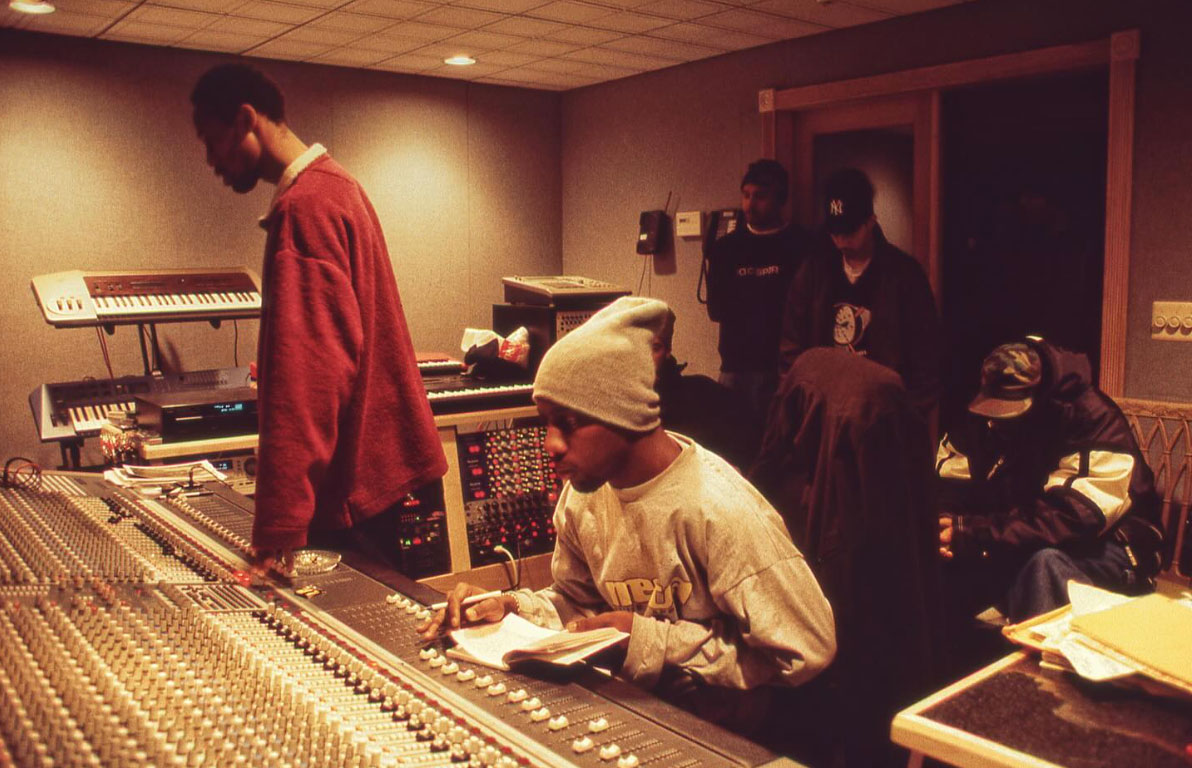
The drums of the ‘60s and ‘70s powered the drums of most hip hop/rap music from the late ‘80s to the ‘90s; and these sampled drums carried with them the echoes of their rhythmic sense. Early on, these drums came typically in the form of the use of breakbeats. But by the early ‘90s, a serious shift had occurred. The move away from breakbeats to using individually sampled drum sounds was, for beatmakers (producers), about being able to have greater control and more creativity. Moreover, it was about the possibility of creating new rhythms that were not found (or possible) in the breaks of records that were typically sampled.
When beatmakers (producers) say “drum sounds”, what we actually mean is drum kits. Our drum sounds represent our digital drum kits. Beatmakers (producers) sampled the kits and unique sounds from an unlimited number of drummers (most of which who were far less known than iconic drummers like Jabo Starks, Clyde Stubblefield, Bernard Perry, or John Bonham). These sounds were then modified, using various techniques, like pitch bending, reverb, compression, and EQ, and then recontextualized in new hip hop/rap beats. Thus, the use of individual drum sound samples, as opposed to breakbeats, has dramatically impacted the approach to rhythm in hip hop/rap music.
