
Assumptions About Rhythm and Machine-Made Music
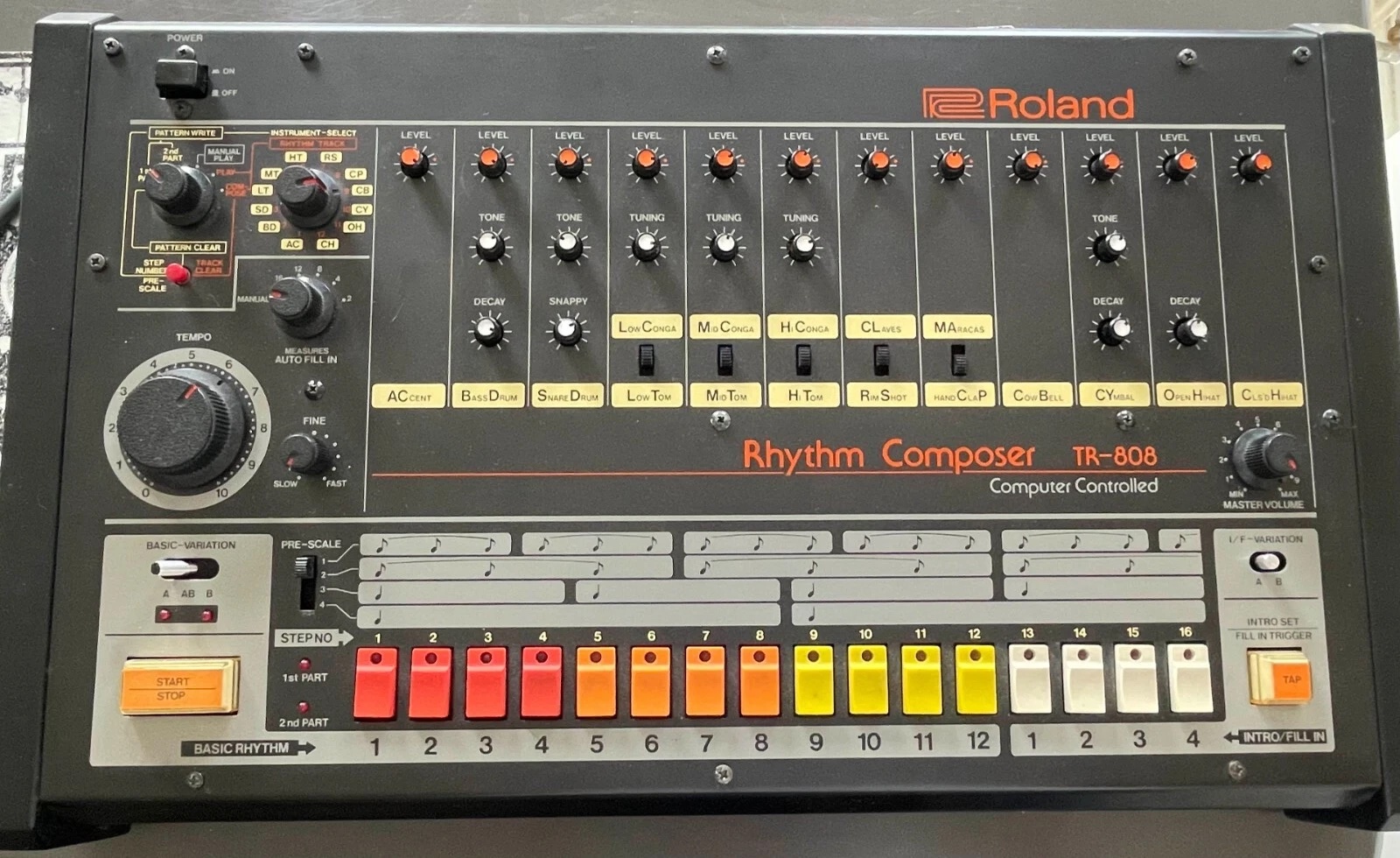
Up to the end of the twentieth century, conventional wisdom regarding rhythm was that things like groove and feel where only possible through human performativity in the traditional sense. The idea was that feel was the product of human touch, something that musicians could add to rhythmic structure only through their performance of it. Another assumption was that the groove qualities of rhythmic music, i.e. the characteristics that produce rhythmic feel, arise specifically from micro-temporal deviations from a presumed time norm.
Yet another assumption was that machine-made music was devoid of groove qualities because it presumably lacked the micro-temporal variations added by a human in performance. Electronic music production, ergo machine-made music production, has proven all of these assumptions wrong. This is especially true in light of the fact that machine-made music, i.e. music made with drum machines, digital samplers, and DAWs, involves a remarkable level of experimentation with and manipulation of the micro-timing of rhythmic events.80 The most obvious proof against the (previous) conventional wisdom regarding rhythm, human performance capabilities, and machine-made music has been the evolution of electronic music, with hip hop’s beatmaking tradition at the forefront of this evolution.
*This article is an excerpt from The BeatTips Manual, 7th Edition by Amir Said.
